
A bow wedding veil combines two unmistakably bridal elements: soft flowing tulle and a carefully placed bow. Depending on its size, fabric and position, the bow can feel delicate and romantic or become the main fashion statement of the entire bridal look.
The secret is proportion. A bow should look intentionally connected to the veil, hairstyle and dress rather than appearing like an additional decoration added at the last moment.

1. Choose the Bow Size According to the Dress
A small bow works beautifully with dresses that already feature lace, beading, floral appliqués or statement sleeves. It adds personality without creating another large focal point.
A minimalist satin or crepe gown can support a larger bow because the clean dress gives the accessory more visual space.
2. Decide Where the Bow Should Sit
The most noticeable placement is directly above or around the veil attachment at the back of the hairstyle. This makes the bow visible from the aisle while keeping the front of the bridal look clean.
A lower bow beneath a bun creates a more understated effect, while side placement can feel more editorial and asymmetric.
3. Match the Bow Fabric to the Bridal Look
Satin creates a defined, polished bow that works especially well with structured gowns. Organza produces a lighter and more translucent effect, while velvet can create a richer seasonal look.
The bow does not need to match the dress fabric exactly. What matters is that the textures look intentional together.
4. Keep the Veil Construction Lightweight
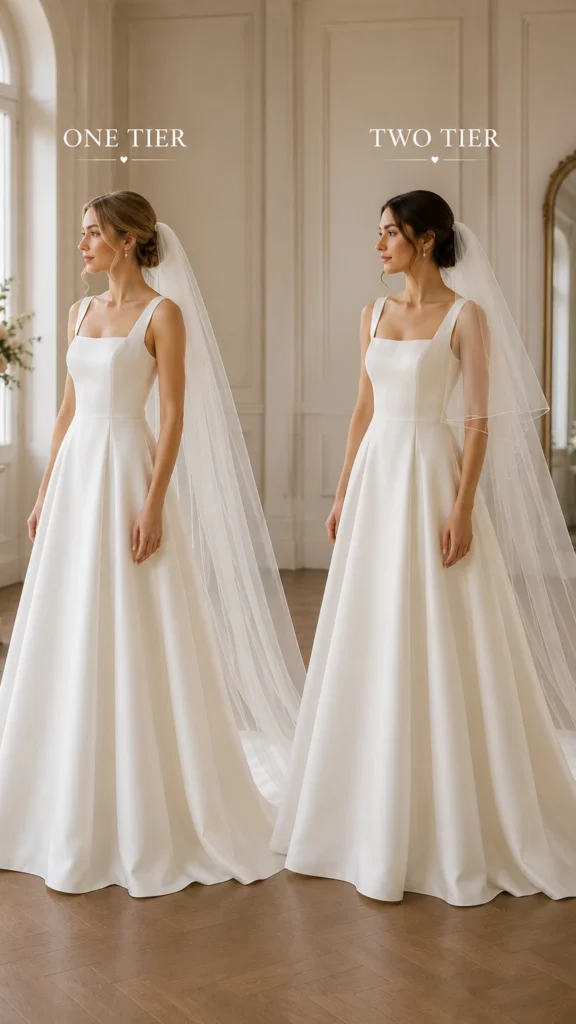
If the bow already creates volume around the hairstyle, heavy veil gathering can make the upper silhouette feel crowded.
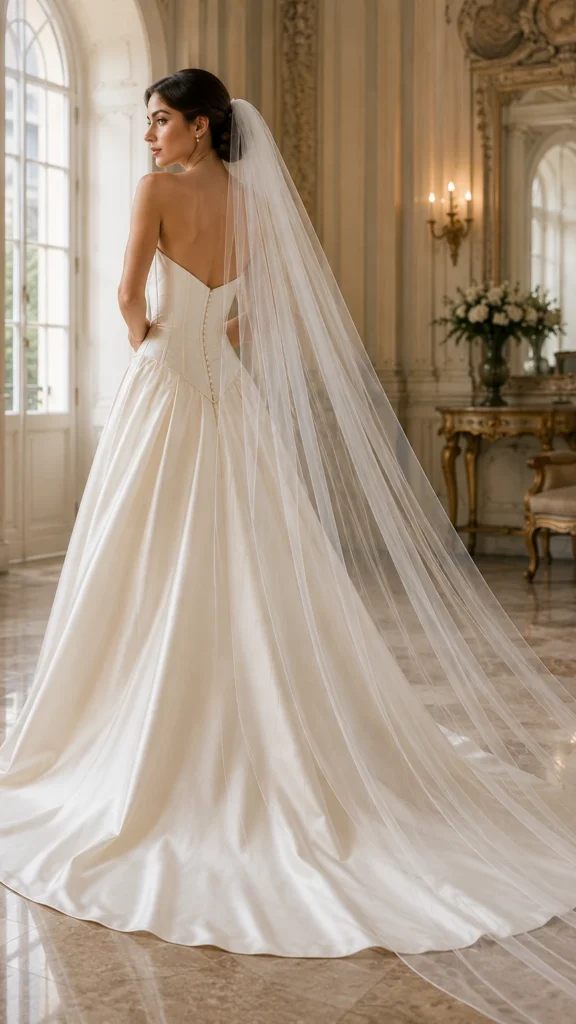
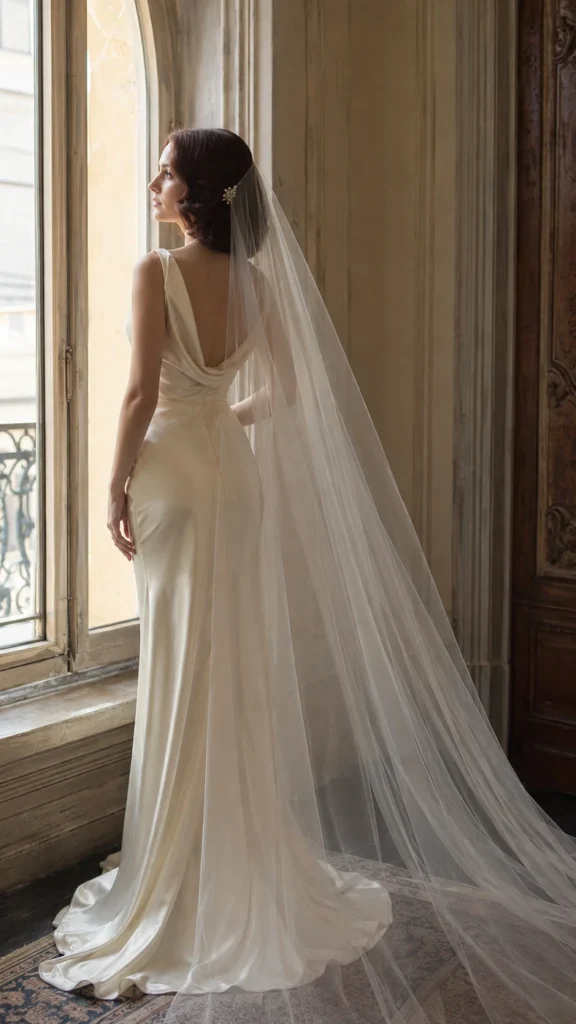
Light to moderate gathering allows the bow to remain visible while the tulle falls naturally behind the shoulders. A transparent veil also keeps important dress-back details easier to see.
5. Balance a Bow Dress With the Veil
If your wedding dress already has a dramatic bow at the waist, neckline or back, avoid automatically repeating another oversized bow on the veil.
Choose one dominant bow and let the second detail remain smaller or disappear completely. This keeps the look sophisticated rather than overly coordinated.
6. Consider Veil Length Separately
A bow can work with anything from a short veil to cathedral length. Fingertip styles feel playful and modern, while a long sheer cathedral veil creates stronger contrast between the structured bow and fluid tulle.
For more inspiration, explore the Wedding Veil Trends 2026 guide and compare different approaches to modern bridal styling.
7. Test the Bow and Comb Together
The bow should never interfere with the security of the veil. A decorative bow can conceal the attachment, but the comb or pins still need a stable anchor in the hairstyle.
During your hair trial, walk, turn your head and gently move the veil to make sure the bow remains centred and the attachment does not pull.

Best Dresses for a Bow Wedding Veil
- Minimal satin gown: ideal for a statement bow.
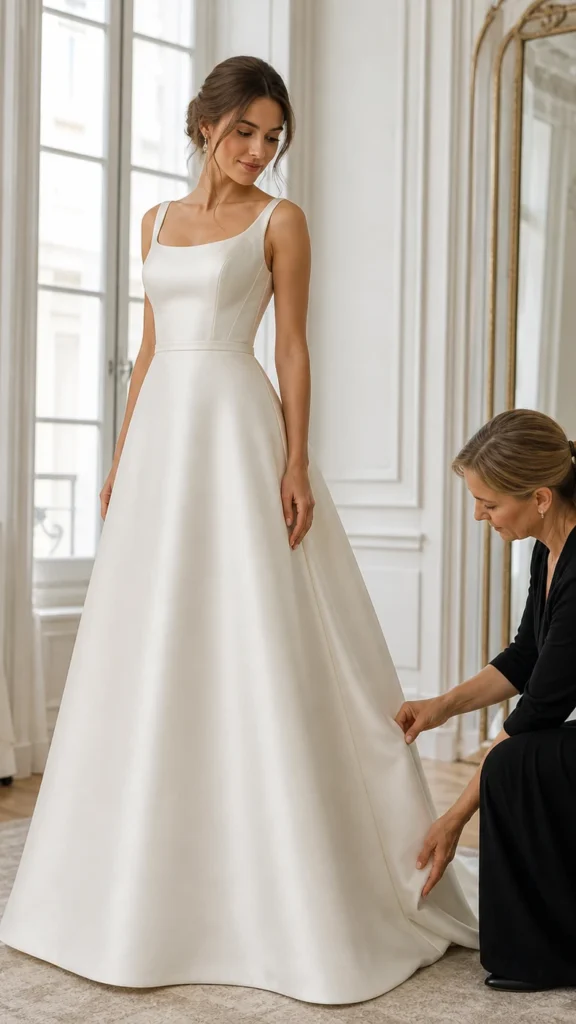
- Simple A-line dress: works with small or medium bows.
- Lace gown: choose a restrained bow to avoid competing detail.
- Short wedding dress: a bow veil can add a playful fashion-forward finish.
- Structured corset gown: pair with a clean bow and transparent tulle.
Bow Wedding Veil Checklist
- Choose one main statement detail.
- Match bow scale to the dress.
- Check the attachment from the back and side.
- Keep gathering controlled around a large bow.
- Compare bow fabric with the gown.
- Test the veil with your final hairstyle.
Explore the WonderBridalAtelier bridal veil collection or browse the complete bridal collection to compare veil lengths, textures and decorative styles.
A bow wedding veil works best when the bow feels like part of the silhouette rather than an extra ornament. Choose the scale carefully, keep the attachment secure and let the contrast between structured ribbon and flowing tulle create the romance.
Visit WonderBridalAtelier on Etsy




Leave a comment